
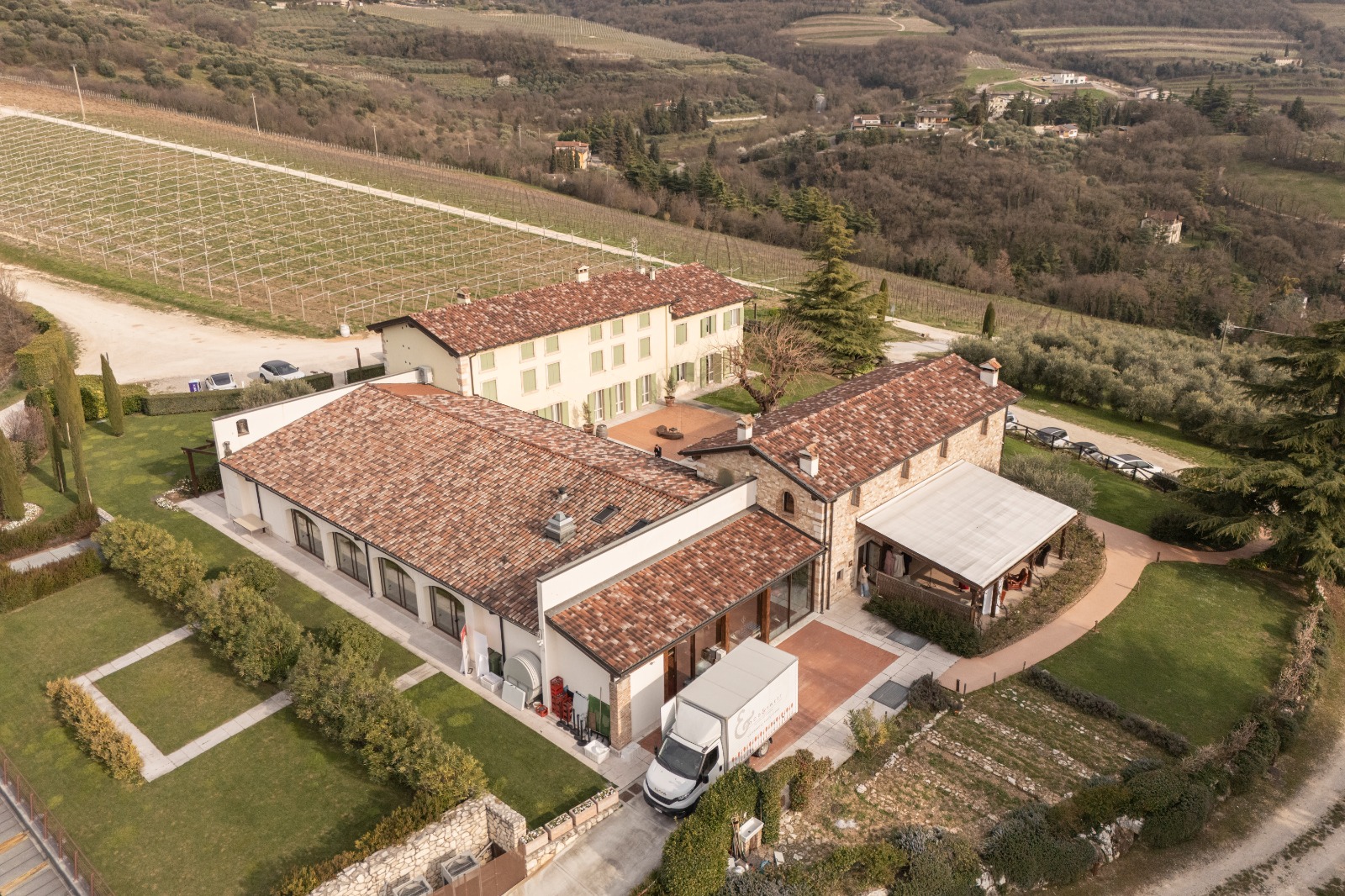
1. Follow the setup route
Ask where unloading is allowed, which entrances are available and at what times. Steps, narrow passages and the distance to the working area can affect setup. Vehicle access alone is not enough: establish where vehicles can stop and when the route must be clear. Also note who coordinates access for the different suppliers.
2. Identify the working areas
Ask to see the areas for preparation, staging and clearing. Water, electrical connections and existing equipment should be checked by the technical team against the planned service, rather than assumed to be suitable. Agree which items the venue provides and which the caterer will need to bring.
3. Plan a wet-weather alternative
If part of the event is outdoors, visit the alternative space too. Check together that it can accommodate the expected guest count and reception format, with usable routes for guests and staff. Ask when a move would be decided, who authorises it and how it affects furniture, timing and costs. A plan B needs agreement, not just a mention.
4. Finish with a shared summary
Before confirming arrangements, put access and breakdown times, usable areas, equipment, responsibilities and outstanding questions in one summary. An annotated floor plan can be more useful than unrelated photographs. The visit should produce a list of decisions and checks, each with a named contact, so venue and caterer are working from the same plan.
Choosing a setting for your event? Tell Food & Sweet which venue you have in mind and the reception format you envisage: a starting point for discussing spaces and service. The cover photograph shows Costa Arènte; these checks are general guidance, not a description of that venue's equipment or terms.